News
News
 Update
Government fast-tracks reintegration of youth returnees.
Ray Bande Senior Reporter THE Government is carrying out a registration and training needs assessment for young Zimbabweans returning from South Africa as part of efforts to facilitate their reintegration and link them to youth empowerment opportunities across the country. Permanent Secretary in the Ministry of Youth Empowerment, Development and Vocational Training, Mr Solomon Mhlanga, revealed this on the sidelines of the ministry’s senior management workshop held in Mutare last Friday. Mr Mhlanga said the exercise was designed to identify the skills, qualifications and support needs of returning youths so that they can be effectively incorporated into existing Government programmes aimed at enhancing livelihoods and economic participation. “Currently, the registration and training needs analysis is being undertaken as youth returnees enter the country. “The ministry has recognised the importance of reintegrating young Zimbabweans returning from South Africa, and is doing so through existing youth empowerment programmes,” he said. He explained that returning youths are eligible to participate in the same development and empowerment initiatives available to other young Zimbabweans, provided they satisfy the relevant criteria. “Young returnees are generally eligible to participate in the same youth programmes as their local counterparts, subject to meeting the prescribed requirements,” said Mr Mhlanga. Among the programmes available are the Youth Service in Zimbabwe, vocational skills training and access to funding for youth-led enterprises. Mr Mhlanga said participation in the Youth Service programme will help returning youths reconnect with their communities while creating valuable social and professional networks. He added that the country’s vocational training centres offer opportunities for returnees to acquire new skills or upgrade existing competencies, thereby improving their prospects for employment or self-employment. “Eligible young returnees with viable business proposals can also access support through the Youth Empowerment Fund to establish or expand income-generating projects and facilitate their economic reintegration,” he said. Meanwhile, Zimbabwe is preparing a bid to host the 2027 YouthConnekt Africa Summit, one of the continent’s premier youth development platforms. Mr Mhlanga said the proposed bid reflects Zimbabwe’s growing commitment to youth empowerment and its readiness to host a major continental gathering dedicated to entrepreneurship, innovation, skills development and employment creation. YouthConnekt Africa was launched by the Government of Rwanda in 2012, and has since evolved into a continent-wide initiative supported by the African Union, the United Nations Development Programme (UNDP), development partners and African governments. The platform connects young people to economic opportunities, innovation ecosystems, entrepreneurship support, mentorship programmes, financial inclusion initiatives and policy dialogue forums. Its flagship event, the YouthConnekt Africa Summit, brings together youth leaders, entrepreneurs, policymakers, investors, development partners, academics and private sector players from across Africa. The annual summit provides a platform for showcasing innovation, sharing best practices, forging partnerships and advancing youth-centred development policies. “Zimbabwe has been an active participant in YouthConnekt Africa initiatives and has consistently demonstrated its commitment to youth empowerment. Government continues to implement various programmes guided by the Constitution, Vision 2030, National Development Strategy (NDS2), the National Youth Policy (2026-2030) and the National Youth Empowerment Strategy (2026-2030),” said Mr Mhlanga. He said hosting the summit will provide Zimbabwe with a valuable opportunity to showcase its youth development achievements while strengthening regional and continental cooperation. Read more on: www.herald.co.zw Since 2024, the YouthConnekt Africa Secretariat has adopted a competitive bidding process for selecting host nations, a move intended to promote transparency and fairness. Mr Mhlanga said hosting the 2027 summit will position Zimbabwe as a continental leader in youth empowerment, entrepreneurship, innovation and skills development. The event is expected to attract more than 6 000 delegates from across Africa and beyond, including Heads of State and Government, ministers responsible for youth affairs, development partners, investors, academics and young entrepreneurs. “Hosting the summit will stimulate economic activity through increased demand in tourism, hospitality, transport, trade and other service sectors associated with a major continental event,” he said. He added that the summit will enhance Zimbabwe’s international profile while strengthening diplomatic and development cooperation with other African countries and development partners. Mr Mhlanga said the gathering aligns with Government priorities under NDS2, particularly in areas such as youth empowerment, entrepreneurship, job creation, the creative economy, sport and culture. The summit will also create significant opportunities for local young people by connecting them to continental and international networks. Participants will be able to engage potential investors, showcase youth-led businesses and innovations, access mentorship and business development support, and strengthen their participation in regional value chains under the African Continental Free Trade Area (AfCFTA). Mr Mhlanga said hosting the Summit will accelerate the implementation of the National Youth Policy (2026-2030) by attracting investment into youth-led enterprises and creating greater visibility for the country’s flagship empowerment programmes. “Hosting the YouthConnekt Africa Summit 2027 presents a strategic opportunity for Zimbabwe to promote tourism, strengthen its international image, attract investment, deepen continental partnerships and demonstrate its commitment to youth empowerment while contributing towards the attainment of Vision 2030,” he said.
Read More Update
Junior Parliament celebrates over three decades of youth engagement, advocacy.
ZIMBABWE’s Junior Parliament has become a significant force having gone far beyond legislative engagement in combating pressing social issues such as drug and substance abuse, an official has said. Aritifical Inteligence usesAritifical Inteligence uses This is because the young parliamentarians are regarded as opinion leaders within their communities and schools, capable of influencing behavioural change among their peers through various projects and advocacy initiatives. In a statement, the Ministry of Youth Empowerment, Development and Vocational Training director of communication and advocacy Mr Ranson Madzamba says Junior Parliament addresses various social ills affecting young people. He said Zimbabwe Junior Parliament Session and commemoration of the Day of the African Child are set to be held at the new Parliament building on Wednesday. The two events are expected to bring together young people, policymakers, development partners, community leaders, civil society organisations and other stakeholders. “Junior Parliament aims to address a range of issues affecting the youth, offering a space where their voices can be heard and their concerns can influence policy decisions. As one senior member remarked, “Anything for the youths without the youths is not for the youths,” emphasising the importance of youth participation in matters that directly impact their lives,” he said. Since its establishment in 1991, the Junior Parliament of Zimbabwe has played a vital role in empowering young people across the nation to participate actively in shaping their future. Serving as a replica of the national Parliament, this platform provides a unique avenue for youth involvement in governance, community issues and national development. This initiative aligns with several national and international frameworks, including Zimbabwe’s Constitution, the National Youth Policy 2020-25, the United Nations Convention on the Rights of the Child, and the African Charter on the Rights and Welfare of the Child. It enables representatives from all 210 constituencies to share their thoughts, experiences, and ideas with Government officials, fostering a culture of inclusivity and responsiveness. Mr Madzamba said the platform also invites stakeholders including Government agencies, non-governmental organisations and international partners to reflect on investments in children’s rights and well-being. It presents a crucial opportunity to evaluate progress made and identify the challenges that remain in ensuring young people’s rights are fully realised in Zimbabwe. He said Junior Parliamentarians are tasked with bringing forward youth concerns, participating in policy development and spearheading community projects aimed at addressing children’s issues. They’re also instrumental in raising awareness, conducting education programmes and establishing clubs that promote leadership and social responsibility. In the same vein, he said the Significance of the Day of the African Child cannot be over emphasised. “June 16 holds special significance for Africans, commemorating the brave students of Soweto who, in 1976, lost their lives protesting against racial discrimination and poor education standards. Over 700 children were massacred during the Soweto uprising, symbolising the fight for quality education and equality. “In Zimbabwe’s history, the sacrifices of young people include the tragic loss of over 6,000 women and children at Chimoio in 1977 and 1,028 lives at Nyadzonia in 1976. These young heroes and heroines fought tirelessly for a free, democratic Zimbabwe where liberty, fraternity and equality prevail. The Day of the African Child honours their memory and calls for ongoing commitment to address the challenges facing children across the continent,” he said. The Day of the African Child seeks to advocate and lobby for children and young people’s rights, promote child-friendly budgeting and resource allocation and to also enhance leadership skills among children and young people. Mr Madzamba said as Zimbabwe continues to nurture its young leaders through platforms like the Junior Parliament, the nation reaffirms its dedication to creating a supportive environment where youth can thrive, participate and lead. The also day serves as a reminder of the sacrifices made and the vital importance of safeguarding the rights and futures of Africa’s children.
Read More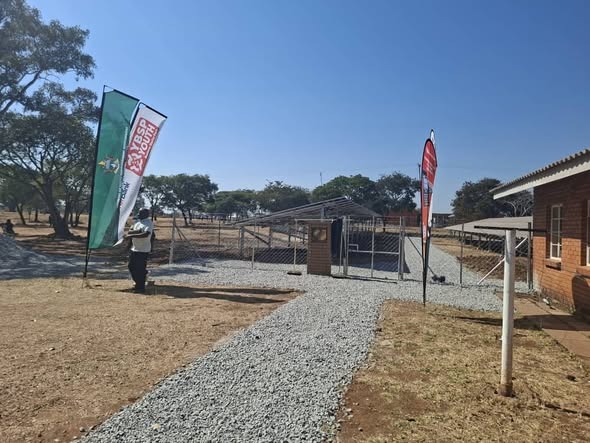 Update
US$61 000 solar investment powers new era for Kaguvi VTC
A US$61,000 investment in renewable energy has positioned Kaguvi Vocational Training Centre (VTC) as home to the largest solar power installation at any vocational training centre in Midlands Province following the commissioning of an 80kVA solar system expected to improve practical training, reduce electricity costs and boost the institution's capacity to host national events. The project, commissioned during the closing of the 2026 National Vocational Training Centres Sports Gala, was financed through an EmpowerBank loan facility of US$58,500, with an additional US$2,500 invested in security fencing. Speaking during the commissioning ceremony, the Provincial Centre Head of Kaguvi VTC, Benson Peter Mazani said the project demonstrates Government's commitment to developing skills through improved infrastructure. "Hosting nine provincial teams while commissioning a major infrastructure project speaks to the vision of His Excellency the President: 'Skills, Sport and Infrastructure for National Development.' Nyika inovakwa nevene vayo," he said. The Mazani said the solar installation would address one of the institution's biggest challenges by ensuring uninterrupted electricity supply for practical lessons. "Power outages have been our biggest cost and training disruptor. With 80kVA, we can now run workshops, ICT laboratories and refrigeration for Hospitality without interruption. That means more practical hours for our students," said Mazani. He added that the project would also ease the institution's operational costs. "The system will cut our ZETDC bill by an estimated 60 percent monthly. Those savings are being redirected to student consumables, sports equipment and maintenance. The loan is therefore an investment that pays itself," he said. Beyond reducing costs, the Mazani said the installation would serve as a practical learning facility for students studying electrical and solar technologies. "Our Electrical and Solar students witnessed the installation and will be involved in maintaining and monitoring this system. We are producing graduates who can be deployed in rural schools, clinics and mines. This is Ilustro and vocational skills in action," he said. He said the reliable power supply, together with support from Vungu Rural District Council in upgrading roads and assistance from Conhse Mine with water supplies, had strengthened Kaguvi VTC's ability to host major events. "This solar system makes Kaguvi VTC a reliable venue for national events. We hosted the Provincial Gala, and with stable power, water from Conhse Mine's bowser and graded roads from Vungu RDC, we are now ready for bigger national and regional programmes," said Mazani. The Centre Head thanked EmpowerBank, the Ministry of Youth Empowerment, Development and Vocational Training, Vungu Rural District Council, Conhse Mine, ZETDC, the Rural Electrification Agency and other stakeholders for supporting the project, pledging that Kaguvi VTC would safeguard the investment to ensure it continues producing skilled graduates who contribute to Zimbabwe's development. Minister of Youth Empowerment, Development and Vocational Training, Tinoda Machakaire, commended Kaguvi VTC for the achievement, describing it as a demonstration of the important role vocational training institutions play in Zimbabwe's development. "I commend Kaguvi Vocational Training Centre for the successful commissioning of its solar plant. This milestone is a shining example of innovation, self-reliance and sustainability in action, values that are at the very heart of vocational training, and a demonstration of how our VTCs continue to lead in practical, forward-looking development," said Machakaire. Reporting by Mbekezeli Ncube
Read More Update
VISA Games reach business end.
THE 2026 Vocational Institutions Sports Association moved a gear up with provincial sides clashing at Kaguvi Vocational Training Centre in the Midlands Province. With all provinces represented in various disciplines, the VISA games have taken a national outlook amid excitement that has been building up ahead of tomorrow’s official opening ceremony, expected to be presided over by the Minister of Youth Empowerment, Development and Vocational Training Tino Machakaire. The Ministry’s director of communication and advocacy Ranson Madzamba, is satisfied with the manner the games, which are also being used as a vehicle to fight drug and substance abuse, have gone. “The games will be running until July 3, under the theme “From play to purpose, shaping future drug-free champions through sports in Vocational Training Centres’’. Organisers confirmed a 100 percent turnout, with every provincial delegation arriving safely for the annual multi-sport competition, underlining the growing importance of the games in promoting sport and youth development within vocational training institutions. The opening day was devoted entirely to track and field events, where student athletes competed across a range of disciplines. Attention has, however, since shifted to the ball games, with matches underway in football, netball and volleyball. Madzamba said the tournament extends beyond sporting competition by contributing to the holistic development of students. “The VISA Games play an important role in supporting students’ personal growth, strengthening institutions and fostering community engagement. “The tournaments bring together students from different Vocational Training Centres, promoting friendship, mutual respect and national cohesion. They also create opportunities for cultural exchange and networking beyond the classroom,” said Madzamba. Madzamba added that the qualities acquired through sport, including resilience, problem-solving, teamwork and time management, improve students’ employability while providing a platform for talented athletes to earn recognition beyond the vocational training system. He said the games also promote institutional pride, gender inclusion and social integration by offering equal opportunities for male and female students to compete. “The VISA Gala is an investment in holistic education. It develops healthy, disciplined and confident young people while strengthening relationships among institutions and communities. Competition continues throughout the week, with teams battling for honours across the various sporting disciplines. By late yesterday, Midlands were leading with eight gold medals, followed by Mashonaland Central with six gold medals.
Read More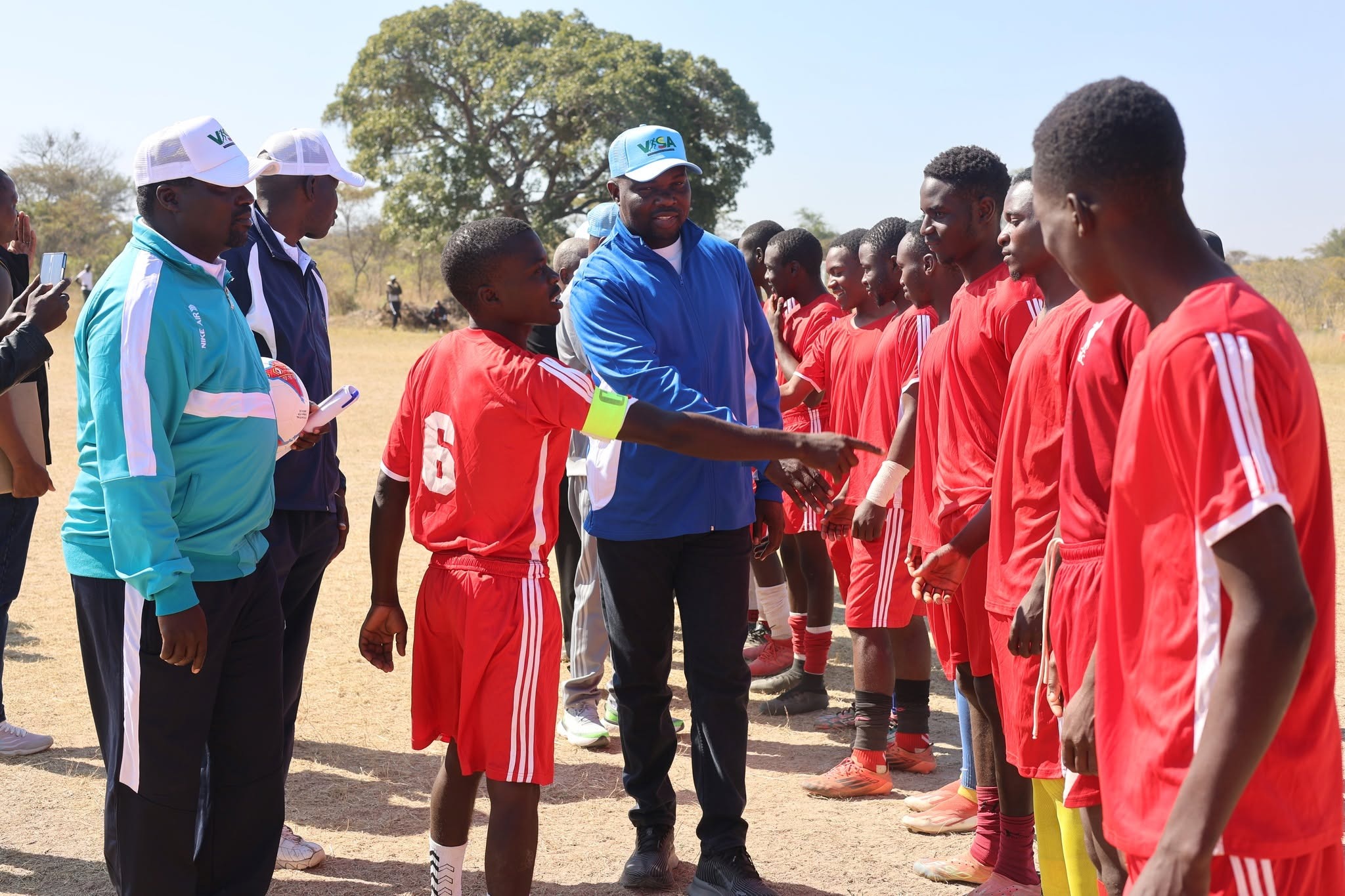 Update
Government Intensifies Use of Sport to Keep Youth Off Drugs.
Government is stepping up efforts to use sport as a weapon against drug and substance abuse among young people, with vocational training institutions being positioned at the centre of that campaign. Speaking at the official opening of the 11th Vocational Institutions Sports Association (VISA) National Tournament at Kaguvi Vocational Training Centre in Gweru, Minister of Youth Empowerment, Development and Vocational Training Tinoda Machakaire said the integration of sport into vocational education is helping shape responsible and productive citizens. He said the tournament's theme reflects Government's commitment to ensuring young people channel their energy into positive activities that promote healthy living and personal growth. "Sport occupies our young people's time and energy productively, builds their self-esteem, and provides a positive alternative to the destructive path of drug and substance abuse that continues to threaten the future of our nation," said Machakaire. The Minister said vocational training is about more than equipping young people with technical and entrepreneurial skills, stressing that institutions must also produce graduates with strong values and leadership qualities. "Sport plays an equally important role in shaping character. It teaches discipline, respect, leadership, perseverance, teamwork and integrity, qualities that every successful artisan, entrepreneur, employee and community leader must possess," he said. Machakaire said Government will continue modernising vocational training centres to nurture innovation, entrepreneurship and holistic youth development in line with Vision 2030. He added that the country's economic transformation depends on young people who are not only technically skilled but also physically fit, mentally resilient and socially responsible. He also challenged participants to use the national tournament to strengthen unity and build lasting friendships across the country. "As we continue investing in vocational education, let us also continue nurturing sporting excellence and reinforcing the fight against drug and substance abuse among our youth. Zimbabwe needs young people who can innovate in the workshop, compete on the field of play, create businesses, generate employment, and contribute to building a prosperous nation," said Machakaire. Reporting by Mbekezeli Ncube
Read More Update
Beware of fraudsters, youths urged to consult official empowerment agencies.
Kimberley Chitambara, Sunday News Reporter YOUNG Zimbabweans have been encouraged to take advantage of youth empowerment funding opportunities being offered by Government while remaining vigilant against fraudsters masquerading as ministry officials and agents. Speaking in an interview, the Ministry of Youth Empowerment, Development and Vocational Training’s Director of Communication and Advocacy, Mr Ranson Madzamba said young entrepreneurs and aspiring business owners aged below 35 years should approach official Government structures for assistance in accessing empowerment funding. ADVERTISEMENT Aritifical Inteligence usesAritifical Inteligence uses He said ministry officials stationed at district, provincial and national offices were available to guide young people through the application process and provide information on available funding opportunities. “To all the young entrepreneurs and also to all those who would want to be young entrepreneurs, I am talking of those young people who are below the age of 35 years. They are free to visit our offices at district, provincial and national level and they are people who are ready to help them out on how best they can access these funds. They are also free to visit our EmpowerBank branches,” said Mr Madzamba. “Definitely they will be assisted.” Mr Madzamba, however, warned young people to be on high alert for fraudsters who are circulating misleading information and falsely claiming to represent the ministry or EmpowerBank. He said the ministry had become aware of individuals distributing flyers and presenting themselves as agents or messengers of the Ministry of Youth Empowerment, Development and Vocational Training or EmpowerBank in an effort to defraud unsuspecting youths. “On another note, we would want the young people to be vigilant. They are supposed to have their eyes open because there are some fraudsters who are now flighting various flyers purporting to be messengers if not agents of the Ministry of Youth Empowerment, Development and Vocational Training as well as the EmpowerBank,” he said. Mr Madzamba urged young people to verify all information through official channels and to seek assistance directly from ministry offices or EmpowerBank branches. “Please, please take note. As a ministry, we are available at every district, at every province and feel free to be helped at our offices. Feel free as well to be helped at our EmpowerBank branches,” he said. Government has in recent years intensified efforts to promote youth entrepreneurship and economic empowerment through funding initiatives, vocational training programmes and support for youth-led enterprises aimed at improving livelihoods and creating employment opportunities.
Read More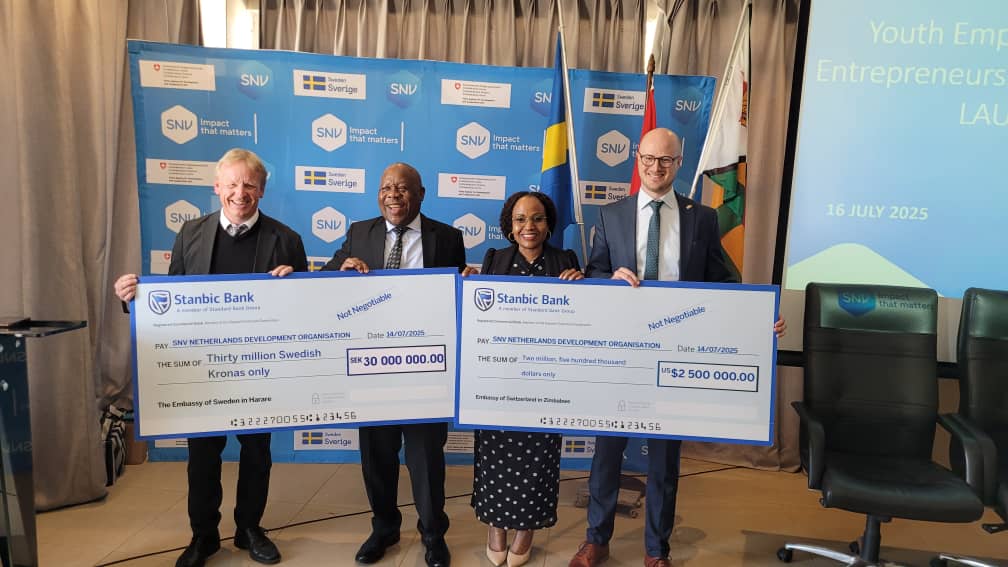 Update
The Launch of Hope, Youth Employment and Entrepreneurship Project.
The Launch of Hope, Youth Employment and Entrepreneurship Project On a bright morning in Harare, excitement filled the air as the Newlands Country Club prepared for a significant event—the official launch of the Youth Employment and Entrepreneurship (YEE) Project. The initiative aimed to empower the youth of Zimbabwe by creating sustainable job opportunities and fostering entrepreneurship. As guests began to arrive, the atmosphere buzzed with anticipation. Among them was Mr. Solomon Mhlanga, the Permanent Secretary of the Ministry of Youth Empowerment Development and Vocational Training, who was invited to be the Guest of Honour. He understood the importance of this project, especially in a country where over 2.3 million young people were not in education, employment, or training. The event commenced with heartfelt greetings from the Director of Ceremonies, who welcomed representatives from various sectors, including development partners, private sector actors, and youth leaders. The crowd represented a mosaic of Zimbabwean society, united by a common goal: to uplift the youth. As Mr. Mhlanga took the stage, he reflected on the challenges faced by young Zimbabweans. “Today’s launch is not merely a project event; it is a strategic milestone in our journey to create inclusive and decent work opportunities for our youth,” he stated. His words resonated with the audience, many of whom were eager to contribute to the nation’s economic transformation. He spoke of the government's Vision 2030 and the National Development Strategy, emphasizing the need for actionable solutions that empower youth as job creators and leaders. The audience listened intently as he acknowledged the critical partnership with SNV Zimbabwe, whose support had been instrumental in reviewing national policies and promoting youth-responsive planning. The YEE project, now in its second phase, aimed to reach 13,000 youth and create 7,000 green jobs. As he shared the successes of Phase I where thousands of youths were trained and many enterprises flourished—the audience erupted in applause. The statistics were not just numbers; they represented lives transformed and futures secured. After Mr. Mhlanga’s inspiring speech, the program featured a documentary showcasing success stories from the previous phase. Young entrepreneurs shared their journeys, highlighting how the initiative had equipped them with skills and confidence. The room was filled with hope and inspiration, as attendees saw firsthand the positive impact of the YEE project. The event concluded with a call to action. Mr. Mhlanga urged all stakeholders to collaborate and ensure the successful implementation of the YEE project. “Empowered youth are the foundation of Zimbabwe’s prosperity. Together, we will realize that vision,” he declared. As the guests mingled during the exhibition tour, conversations sparked between young entrepreneurs and potential investors. The atmosphere was electric with possibilities. The YEE project was more than a program; it was a movement toward a brighter future for the youth of Zimbabwe. And so, on that day, a new chapter began one filled with hope, empowerment, and the promise of a prosperous tomorrow for the youth of Zimbabwe.
Read More
 Update