Youth Empowerment and Development

Youth Empowerment and
Development

Supports youth entrepreneurship through policy creation, funding management, business incubation, and creating economic opportunities for youth in various sectors

Youth Service in Zimbabwe

Youth Service in
Zimbabwe

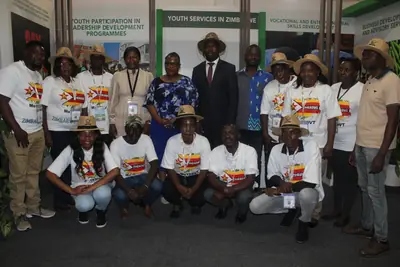
Encourages national identity and civic responsibility among youth through career guidance, training programs, and public-private partnerships, facilitating placements in government and education.

Vocational Training and Skills Development

Vocational Training and Skills Development

Provides youth with technical and entrepreneurial skills through vocational training, public-private partnerships, and curriculum development to improve employability and self-sufficiency.

Business Development

Business
Development

Focuses on youth entrepreneurship by developing policies, providing technical support, creating business hubs, and establishing public-private partnerships for youth empowerment.

Ministry Core Values
OVERALL PURPOSE

Ministry Core Values

The Ministry Core Values exist to define how we work and serve. They set the standard for staff conduct, team culture, and service delivery so every action reflects Zimbabwe’s interests and public trust.

Patriotism

Desire or love for one’s country (Zimbabwe first).

Accountability

State of being transparent, accountable, responsible, and answerable for one’s and our collective action.

Teamwork

Leveraging each other’s experiences and strengths and working inclusively with love and respect.

Innovation

Initiating and embracing new methods or ideas for enhancing service delivery timeously.

Integrity

Honesty, trustworthiness, steadfastness, and adherence to moral and professional principles.

OUR PRINCIPALS

Meet Our Principals

Hon. T. Machakaire (MP)

Hon. T. Machakaire (MP)

MINISTER

Hon. K. Mupamhanga (MP)

Hon. K. Mupamhanga (MP)

DEPUTY MINISTER

Mr S. Mhlanga

Mr S. Mhlanga

PERMANENT SECRETARY

DEPARTMENTS

Our Core Departments

View All Departments

Youth Empowerment & Development

Supports youth entrepreneurship through policy creation, funding management, business incubation, and creating economic opportunities for youth in various sectors

Learn More

Youth Service in Zimbabwe

Encourages national identity and civic responsibility among youth through career guidance,

Explore More

Vocational Training Centers

Provides youth with technical and entrepreneurial skills through vocational training, public-private partnerships, and curriculum development to improve employability and self-sufficiency.

Business Development

Focuses on youth entrepreneurship by developing policies, providing technical support, creating business hubs, and establishing public-private partnerships for youth empowerment.

Projects

Project

Business Aggregation Centres- Murehwa District

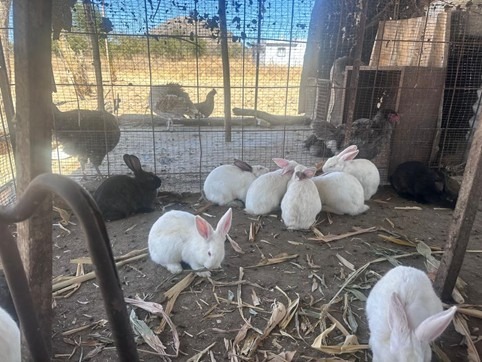
The Ministry, with support from SNV is establishing rabbit cluster for youth in Murewa District. The rabbit cluster is being supported through distribution of rabbit does and bucks to youth. The rabbit does and bucks are being sourced from existing Murewa rabbit farmers. The cluster will also have a meat company that will be responsible for aggregating rabbit for slaughter and supplying the meat to the market.

Project

Business Aggregation Centers-Umguza District.

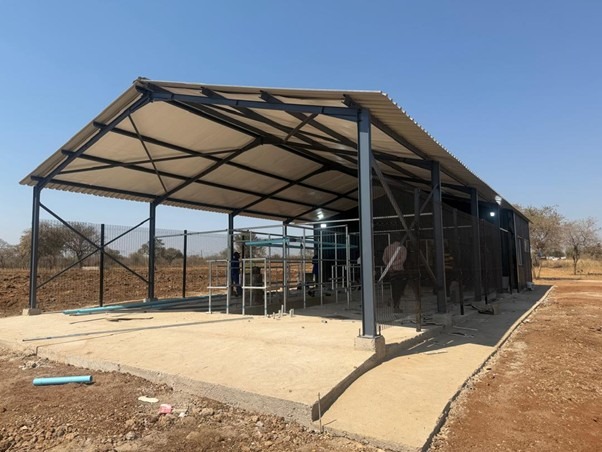
The Ministry is establishing a milk aggregation centre at the Umguza Vocational Training Centre in Umguza District. Once the facility is completed, the centre will function as a parlour-based aggregation point where milk from nearby youth farmers will be collected, consolidated, and prepared for onward delivery to milk processors. The centre is intended to improve the quality and consistency of milk supply by supporting more reliable collection systems, encouraging young farmers to sell through an organized structure, and helping ensure that milk is handled in a more hygienic and standardized way before being transported to processors.

Project

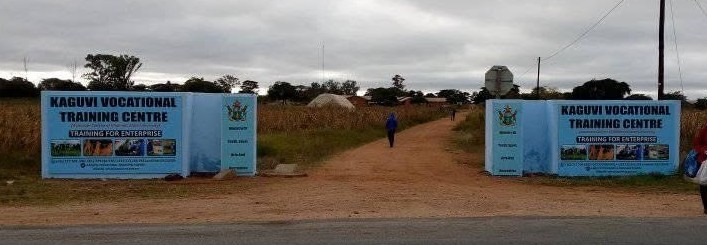
Kaguvi VTC Horticulture Project.

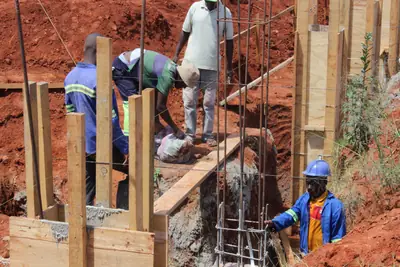
The Skills for Youth and Women Employability and Productivity (SYWEP) Project is being implemented by the Ministry of Youth Empowerment, Development and Vocational Training with financial support from the African Development Bank (AfDB) and technical implementation support from the International Labour Organization (ILO). The project focuses on three priority value chains, one of which is horticulture, to be implemented at Kaguvi Vocational Training Centre (VTC). Good progress has been recorded in establishing the horticulture project. The foundation works for the 100 000 litre water tank have been successfully completed, and the site is now ready for the concrete pouring stage. Once completed, the water tank will enhance the project's irrigation capacity, ensuring a reliable water supply to support year-round horticultural production.

Project

Mutoko Young Farmers Peas Cluster

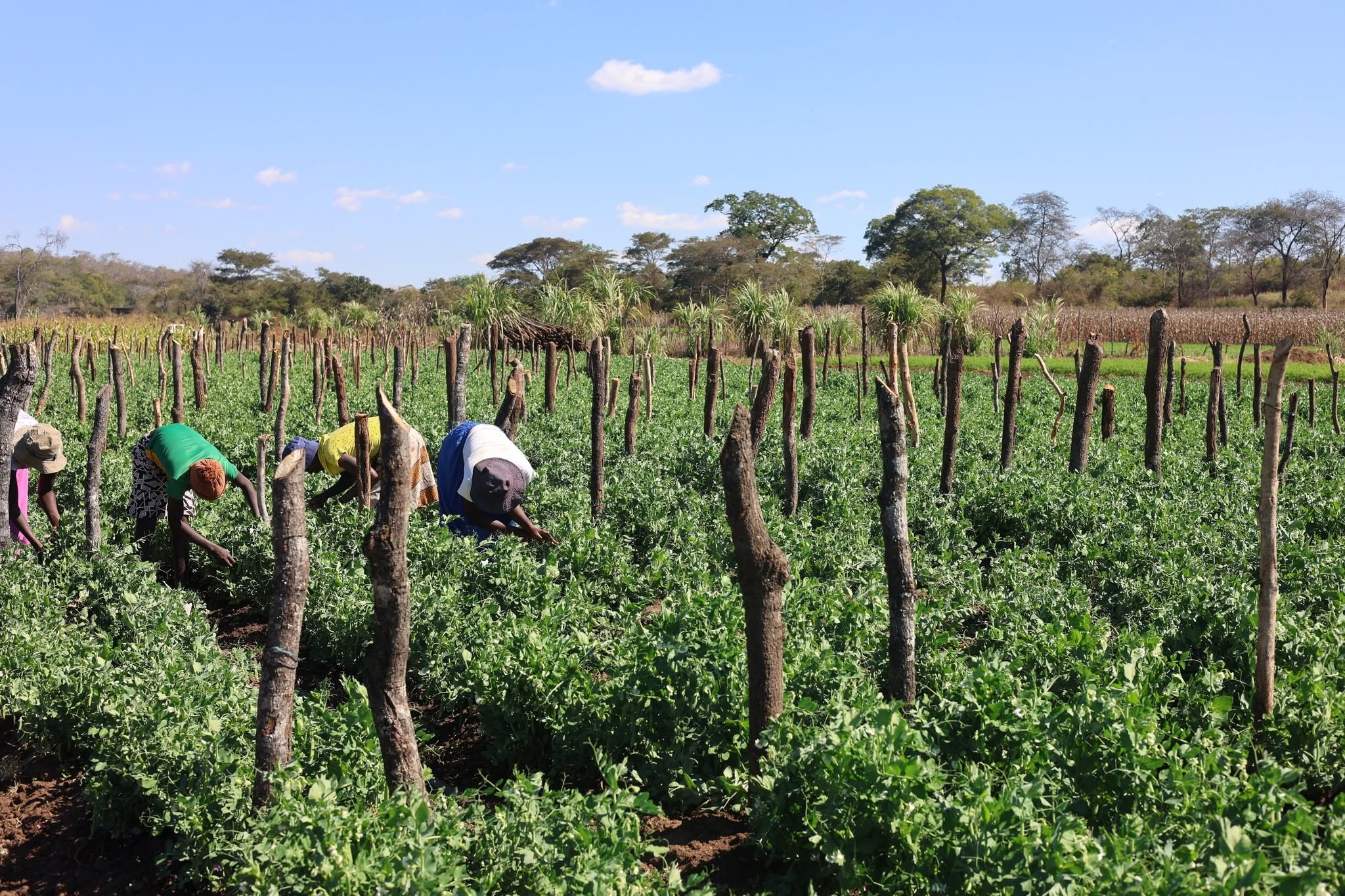
The Ministry in partnership with ZimTrade, continues to promote youth-led agricultural transformation through the establishment of a peas production cluster in Mutoko District. The initiative is centred at Tabudirira Vocational Training Centre (VTC), which serves as the cluster’s aggregation and coordination hub. The programme was introduced to empower young farmers through commercial peas production, enabling them to participate in high-value agricultural value chains while creating sustainable livelihoods and income-generating opportunities. Through the cluster model, young farmers are benefiting from improved access to technical support, practical training, market linkages and shared production resources. To support the initiative, Tabudirira VTC established a half-hectare demonstration plot dedicated to peas production. The plot serves as a practical learning platform where young farmers are exposed to recommended agronomic practices and modern farming techniques aimed at improving productivity and profitability. The cluster comprises six young farmers operating within the Tabudirira area. At Chitora 2 Irrigation Scheme, four young farmers jointly cultivated 1.2 hectares of peas and have already commenced harvesting. The crop is expected to yield approximately 10 tonnes this season, reflecting the success of the young farmers' efforts and the effectiveness of the cluster approach. In addition, two other young farmers each established one hectare of peas, further increasing the cluster’s production capacity. Collectively, the six young farmers have cultivated three hectares of peas, with total production projected to reach approximately 18 tonnes during the current season. The anticipated harvest demonstrates the potential of youth participation in commercial agriculture and highlights the capacity of young people to contribute meaningfully to food security, economic growth and rural development. Through access to training, markets and production support, the young farmers are transitioning from subsistence farming to commercially oriented agricultural enterprises. The Mutoko peas cluster further showcases the evolving role of Vocational Training Centres in empowering young people and driving community development. Beyond skills training, centres such as Tabudirira VTC are becoming incubation hubs for entrepreneurship, innovation and agricultural production. Through strategic partnerships and practical empowerment programmes, the Ministry remains committed to equipping young people with the skills, resources and opportunities needed to participate actively in Zimbabwe's economic development agenda.

Project

Kaguvi VTC 80kVA Solar Power Plant.

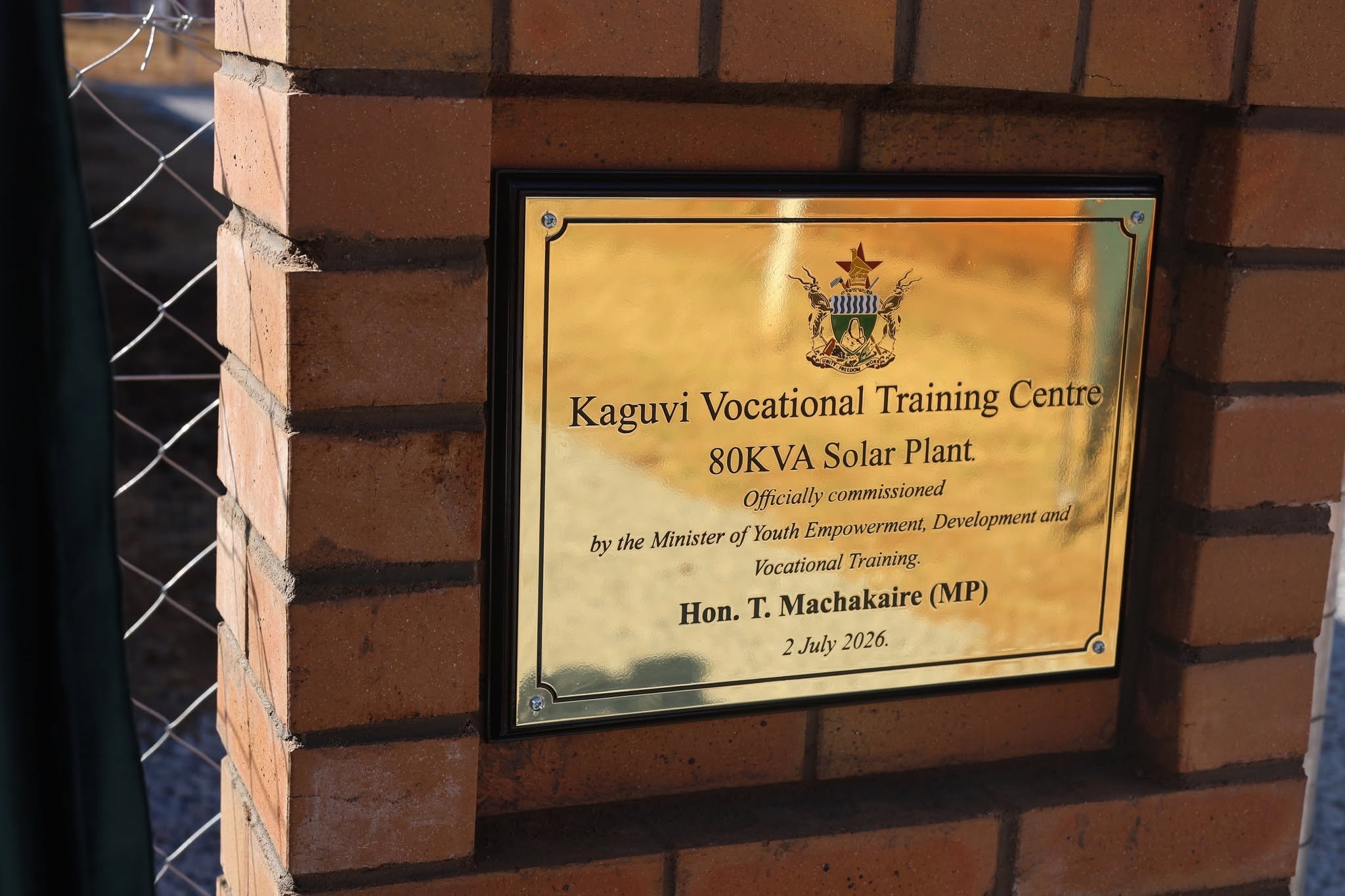
Kaguvi Vocational Training Centre (VTC) commissioned an 80kVA solar power plant in the Midlands Province to improve practical training, reduce electricity costs, and host national events. The US$61,000 renewable energy project was funded through a US$58,500 EmpowerBank loan, with an additional US$2,500 used for security fencing. The solar facility was officially commissioned on July 2, 2026, by the Minister of Youth Empowerment, Development and Vocational Training, Hon. Tino Machakaire. It stands as the largest solar installation at any VTC in the Midlands Province, allowing the institution to transition toward affordable and sustainable energy.

LATEST UPDATES

News

Zimbabwe, Ethiopia youth unite for greener Africa. Update
September 07, 2026

Zimbabwe, Ethiopia youth unite for greener Africa.

Sharon Jiyamwa Herald Reporter ZIMBABWEAN and Ethiopian youths have joined hands in a tree-planting exercise in Harare, pledging to strengthen youth-led climate action and environmental restoration ahead of the 2027 United Nations Climate Change Conference (COP32). The joint tree-planting ceremony, held at Heritage Village, brought together Government officials, an Ethiopian youth delegation, young people from the two countries, environmental organisations and other stakeholders. Officials described the initiative as the beginning of a broader movement to promote environmental restoration, green entrepreneurship and youth cooperation across Africa. The initiative draws inspiration from Ethiopia’s Green Legacy Initiative, launched by Ethiopian Prime Minister Dr Abiy Ahmed. Speaking at the event, Minister of Youth Empowerment, Development and Vocational Training Mr Tino Machakaire said the initiative demonstrated the importance of African solidarity in confronting environmental challenges. “Today’s tree-planting activity is significant because it reflects the environmental vision of His Excellency, the President, Dr Emmerson Dambudzo Mnangagwa,” he said. Minister Machakaire said the Green Legacy was about more than planting trees, describing it as a symbol of hope, protection of natural resources, climate resilience and responsibility towards future generations. He also called on young Zimbabweans to take ownership of the Green Legacy by leading environmental initiatives in their communities, schools and workplaces, while promoting responsible waste management and fighting environmental degradation, pollution and veld fires “I call on the youth of Zimbabwe to make the Green Legacy their own. You must lead environmental initiatives, become ambassadors in your communities, and plant trees in schools and workplaces,” he said. He said the Zimbabwe-Ethiopia youth partnership should be strengthened through the sharing of knowledge, innovation, technology and best practices, while supporting youth-led green enterprises and turning environmental challenges into opportunities for employment and sustainable economic development “We must build networks of young environmental leaders. We must support youth-led green enterprises. We must turn environmental challenges into opportunities for innovation, employment and sustainable economic development,” he said. Minister Machakaire said the trees should become living symbols of the friendship between Zimbabwe and Ethiopia and the two countries’ shared commitment to environmental sustainability. Head of the Ethiopian Prosperity Party Youth Delegation, Senbetu Ababa, said the choice of tree planting was deliberate, describing it as a simple but powerful demonstration of the two countries’ shared commitment to environmental protection. “Today, we have chosen to demonstrate that friendship through something very simple, yet very powerful, planting a tree,” said Mr Ababa. He encouraged the initiation of youth environmental dialogues, organisation of tree planting programs and sharing of knowledge and technology as the two countries move towards a greener Africa. Environment, Climate and Wildlife Minister Mrs Evelyn Ndlovu, who was represented by the acting Director for the Department of Wildlife and Forest, said Ethiopia’s Green Legacy Initiative provided an important lesson for Zimbabwe, having mobilised the planting of more than 48 billion seedlings since 2019 and working towards a stated national ambition of 65 billion trees. “Restoration at scale is not achieved by ministries acting alone. It is achieved when a country decides that tree planting is a civic act in which every citizen needs to participate,” he said. Zimbabwe, meanwhile, has committed to restoring about two million hectares of degraded land by 2030 under AFR100, with about 685 000 hectares already restored, she said Zimbabwe was particularly vulnerable to the effects of climate change despite contributing relatively little to global greenhouse gas emissions She said the country had experienced the effects of climate change through disasters such as Cyclone Idai, as well as frequent and prolonged droughts that had weakened food systems. “Although Zimbabwe produces only about 0,7 percent of global greenhouse gas emissions, we are ranked among the top 50 most vulnerable countries in the world,” he said. She described the disparity between Africa’s relatively low emissions and its disproportionate exposure to climate impacts as a major injustice, saying the continent must continue speaking with one voice in international climate negotiations.

Read More
Joshua Nkomo Youth Service and Vocational Training Centre takes shape Update
September 07, 2026

Joshua Nkomo Youth Service and Vocational Training Centre takes shape

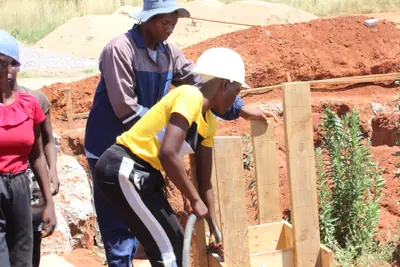
Ranson Madzamba Correspondent DEEP in the rural surroundings of Nyongolo Village in Matabeleland South, an extraordinary transformation is taking place. The sound of construction has become a familiar rhythm in the village. Where there was once little more than an open rural space, classrooms and workshops are steadily taking shape. The transformation promises to change the lives of young people and strengthen the community for generations to come. The construction of Joshua Mqabuko Nyongolo Nkomo Youth Service and Vocational Training Centre is nearing completion. For the young people of Nyongolo village, surrounding communities and the whole of Matabeleland South Province, the emerging institution represents something far more valuable than bricks and mortar. It is indeed a symbol of empowerment and renewed hope for young Zimbabweans who have long faced limited access to technical and vocational training. The centre is set to bring vocational skills as well as Youth Service in Zimbabwe training to the doorstep of rural young people while preparing them for a world increasingly shaped by technology, digital communication and new forms of employment. As the buildings rise from the rural landscape, so too does the prospect of a brighter future for local youths. A centre for opportunity For many young people living in rural communities, accessing vocational education can be a major challenge. Distance, transport costs and limited training institutions often force young people to travel to urban centres in search of skills and opportunities. The establishment of Joshua Mqabuko Nyongolo Nkomo Youth Service and Vocational Training Centre by the Second Republic will bring skills development closer to the communities that need it most. The centre is expected to provide a platform where young people can acquire practical skills that can translate into employment, entrepreneurship and self-reliance. From technical trades to other vocational disciplines, such training can equip young Zimbabwe-ans with the confidence and practical knowledge needed to participate meaningfully in the country’s developmental discourse. For parents and guardians in Matabeleland South, the centre offers the hope that their children will have opportunities to develop practical skills without having to leave their communities. Transforming rural communities The impact of a vocational training centre can extend well beyond its students. When young people acquire practical skills, they can establish businesses and provide services within their own communities. A trained builder, mechanic, electrician, carpenter, tailor or entrepreneur can create employment while also meeting local needs. This creates a ripple effect. One trained young person can become a service provider. A successful business can employ others. Those employees can support their families. On another note, families with more stable incomes can contribute to stronger and more resilient communities. In that way, the centre has the potential to become an engine of local economic development. Hope for the youth Zimbabwe’s young population represents one of the country’s greatest assets. However, that potential can only be realised when young people have access to quality education, skills and opportunities. Vocational education provides an important pathway for those whose talents and ambitions may not necessarily follow a traditional academic route. A legacy of empowerment The centre’s name carries historical significance. The late Dr Joshua Mqabuko Nyongolo Nkomo, one of Zimbabwe’s foremost national liberation figures and a founding leader of the country, remains associated with the ideals of education, empowerment, unity and national development. Naming a youth training institution after such a prominent figure gives the project an added sense of purpose. The name is being attached to an institution whose central mission is to equip young Zimbabweans with the skills needed to participate in building the nation. It is a fitting connection. The struggles of yesterday secured independence. The challenge of today is turning that independence into economic opportunity. The young people are thus central to that task. Defining the Youth Service in Zimbabwe The centre will house a Vocational Training Centre as well as a Youth Service in Zimbabwe Training institution. It is indeed a two in one institution. The Youth Service in Zimbabwe programme is an important youth development initiative crucial in nurturing young people into responsible and resilient citizens. It brings into action, a clear sense of national identity and respect for national values among the youths. The programme seeks to provide career guidance and impart life and entrepreneurial skills for resilience and employment creation. The programme thus enhances the spirit of patriotism by promoting volunteerism, civic responsibility and loyalty to the nation through national orientation training. The programme also encourages peace and positive social integration among youths of different ethnicities, cultures, religions and political persuasions and as ever echoed by the late former Vice President Cde Joshua Mqabuko Nyongolo Nkomo. As construction progresses, anticipation is likely to grow among residents of Nyongolo Village and surrounding communities. The real measure of the project, however, will ultimately be seen years later in the young people to pass through its doors, the businesses they are to establish, the jobs they are to create and the families whose lives they are to positively change. Some of the classrooms under construction at Joshua Mqabuko Nyongolo Nkomo Youth Service and Vocational Training Centre Ranson Madzamba is the Director of Communication and Advocacy in the Ministry of Youth Empowerment, Development and Vocational Training.

Read More
Marketing graduate is cultivating new vision in Zim’s agriculture sector. Update
August 31, 2026

Marketing graduate is cultivating new vision in Zim’s agriculture sector.

IN the rolling farmlands of Guruve, Mashonaland Central province, where the soil meets the waters of Gwaku Dam, a quiet agricultural revolution is taking root. Among the neat rows of tomatoes and thriving green mealies stands a figure who defies the conventional narrative of graduate success: Devine Kudakwashe, a young man armed with a Master’s degree in Marketing, who has deliberately chosen the fields over the boardroom. At a time when many youthful graduates would prefer corporate positions in a largely overcrowded job market, Kudakwashe has carved an unconventional path that challenges deeply entrenched perceptions about education, success and the agriculture sector. His story represents a compelling case study in how academic knowledge can be repurposed to create economic opportunities in unexpected arenas. A deliberate departure from convention Kudakwashe’s decision to pursue commercial horticulture was not born of desperation or limited options, but rather from a clear-eyed recognition of opportunity. With a postgraduate qualification that could easily have secured him a position in the corporate world, he instead turned his attention to the soil — a choice that he describes not as a fallback, but as a calling. His academic background has proven surprisingly relevant to his agricultural enterprise. The principles of market research, consumer behaviour and brand positioning that he mastered in lecture halls now inform his decisions about which crops to plant, when to harvest and how to reach buyers. In an industry where many farmers struggle with market access, Kudakwashe’s marketing acumen provides him with a distinct competitive advantage. Central to Kudakwashe’s success is his strategic location near Gwaku Dam, which provides reliable irrigation water — a resource that remains Zimbabwe’s most critical agricultural input. While rain-fed agriculture continues to leave smallholder farmers vulnerable to climate variability, Kudakwashe’s access to consistent water allows him to produce year-round, capitalising on market windows when prices are most favourable. The green expanse of tomatoes, green mealies and diverse vegetables that now covers his fields is the physical manifestation of a business model built on careful planning and resource management. Each plant is a calculated investment, nurtured with the precision of someone who understands that agriculture, at its core, is an enterprise requiring the same strategic thinking as any corporate venture. Critical support Kudakwashe’s enterprise, however, received a significant boost through the US$1 million Youth Economic Empowerment Fund, administered by the Ministry of Youth Empowerment, Development and Vocational Training in partnership with EmpowerBank. The funding has enabled him to scale up his tomato production, transforming what might have remained a subsistence operation into a commercially viable enterprise. This financial support reflects a growing recognition within Zimbabwe’s policy framework that young people must be positioned as entrepreneurs and innovators within the agriculture sector. The Zimbabwe Youth in Agrifood Systems Investment Plan 2026-2030 explicitly identifies access to finance, technology and markets as critical enablers for youth participation in agricultural transformation. For Kudakwashe, the funding has been a validation of his chosen path. “I have been doing horticulture for the past three years. The major challenges I have been experiencing include access to finance,” said Kudakwashe. “I, however, received funding from EmpowerBank, through the Ministry of Youth. Currently, on this project, I have 15 000 tomatoes. Let us use the resources that we have to drive agriculture. We need to seek assistance from Government institutions. I used to self-fund my project, but with the assistance I got from EmpowerBank, I have since expanded my project. I now also get support from Agritex officers — in terms of bookkeeping and management of funds.” Marketing skills in the fields Perhaps the most intriguing aspect of Kudakwashe’s journey is how his marketing qualification has found new life in an agricultural context. In the modern agrifood system, successful farming requires much more than production knowledge. It demands an understanding of consumer preferences, supply chain dynamics, quality standards and brand development — all areas where Kudakwashe’s academic training gives him an edge. His approach to farming incorporates marketing principles at every stage: selecting crop varieties based on market demand, timing harvests to coincide with peak prices, building relationships with buyers and developing a reputation for quality that distinguishes his produce in competitive markets. Kudakwashe’s story comes at a pivotal moment for Zimbabwe’s agriculture sector. For decades, farming has been perceived by many young people as a last resort — a sector for those without educational qualifications or better options. The emergence of agripreneurs like Kudakwashe is gradually challenging this narrative, demonstrating that agriculture can be a first-choice career for educated young people. This shift is critical for Zimbabwe’s economic future. With agriculture remaining the backbone of the country’s economy, engaging young people in the sector is essential for ensuring productivity, innovation and sustainability. The Government’s focus on youth agrifood systems investment reflects an understanding that tomorrow’s food security depends on today’s young farmers. Despite his successes, Kudakwashe acknowledges that the journey has not been without obstacles. Access to affordable finance, reliable markets, post-harvest infrastructure and agricultural inputs remain significant challenges for young farmers across Zimbabwe. The path from smallholder to commercial producer is fraught with operational difficulties that test even the most committed entrepreneurs. Looking forward, Kudakwashe envisions expanding his operation to include value addition — potentially processing his tomatoes into products that command higher prices and longer shelf lives. His marketing background will serve him well in this next phase, as he builds a brand that differentiates his products in an increasingly competitive marketplace. A new model for graduate success Kudakwashe’s journey represents a compelling model for how academic education can be leveraged in non-traditional sectors to create economic value. His Master’s degree in Marketing has not been abandoned; it has been repurposed, applied in a context where its value is perhaps even more significant than in the corporate offices where such qualifications typically lead. His story offers an important lesson that success does not always follow the conventional route, and that education’s greatest value may lie in its ability to equip individuals to recognise and seize unexpected opportunities. Overall, he stands as a symbol of a new generation of Zimbabwean farmers — educated, entrepreneurial and determined to build their futures on their own terms. His is not merely a story of choosing farming over formal employment; it is a story of reimagining what is possible when passion meets preparation, and when academic knowledge finds its most practical expression.

Read More
View All News